

Solution
Customized AI Adversary Intelligence
Understand who is most likely to target you and why.
Why Broad Threat Reports Falls Short
OT teams are flooded with reports on nation-states and ransomware groups but lack clarity on which adversaries are likely to target their environment or how specific tactics align with their vulnerabilities.
These reports contain valuable context about intent and tradecraft that often goes unused. By capturing that deeper meaning with AI-driven modeling, Bastazo turns abstract threat data into actionable insight. It’s one thing to know an adversary uses phishing (T1566); it’s another to understand how they craft campaigns and why, so you can stop the attack before it succeeds.

What Bastazo Adversary Intelligence Does
AI and machine learning used to extract adversary tactics to more accurately identify your organization's top threats.

AI adverary detail extraction
Leveraging LLMs, our model extracts attributes such as origin, motivation, sophistication, privilege requirements, and known techniques from threat reports at a scale never before possible.
.svg)
Matches adversary TTPs to your organization
Machine learning models then evaluate how adversary tactics, techniques, and past victims match your organization.

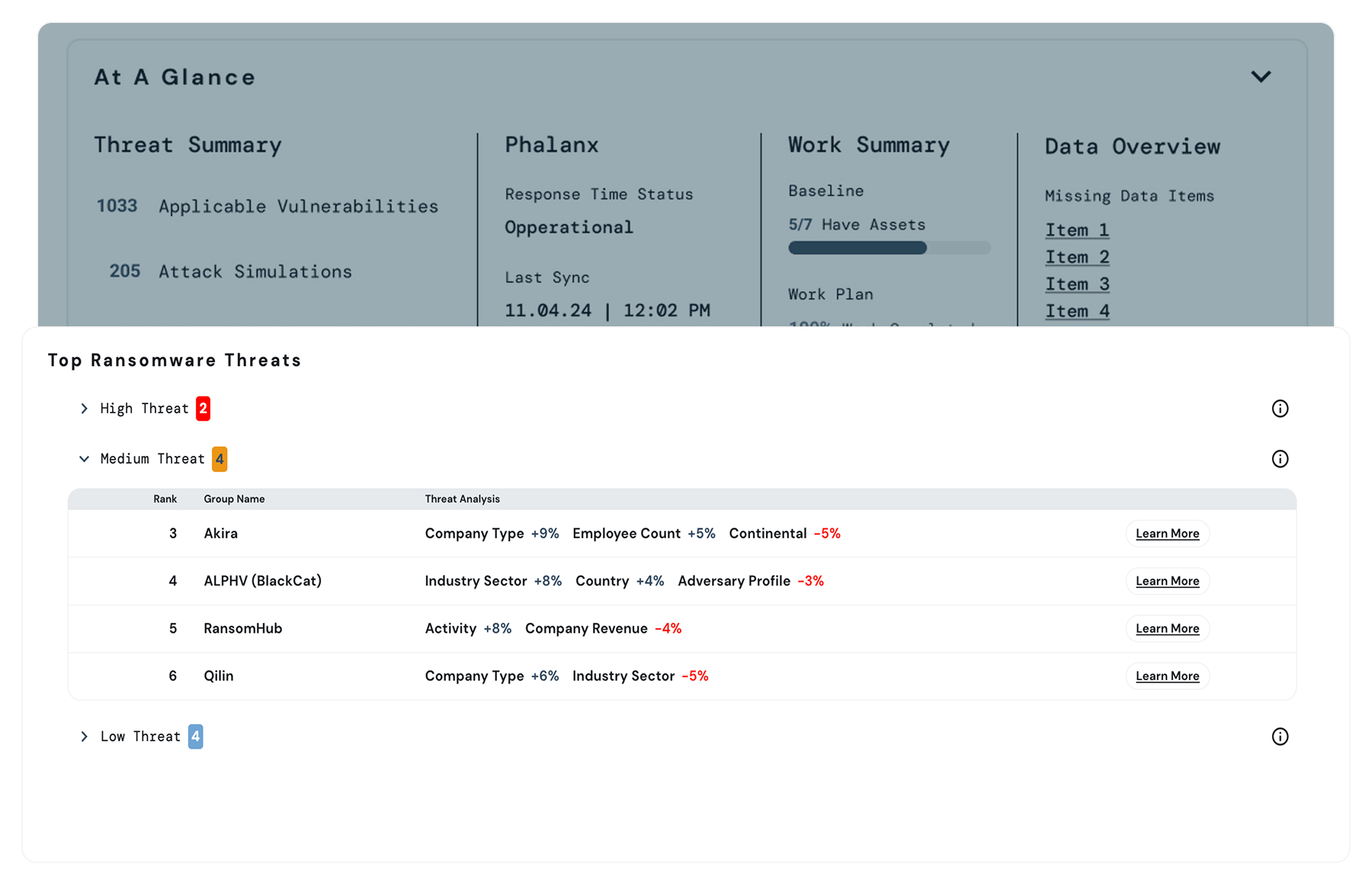
Surfaces your top adversaries
Instead of long threat feeds, Bastazo highlights the adversaries most likely to target your organization and cause operational impact.

Built on Research-Backed Threat Modeling
Bastazo’s adversary intelligence is grounded in original research that combines large language models with machine learning to automate the extraction and contextualization of threat actor attributes.
Rather than relying solely on indicators of compromise or static threat lists, Bastazo models adversaries based on who they target, how they operate, and what motivates them, then connects that intelligence directly to organizational risk. This enables more accurate prioritization of defensive actions and security investments.
.svg)


Use Case
Manufacturing Firm Defending Against Nation-State Activity
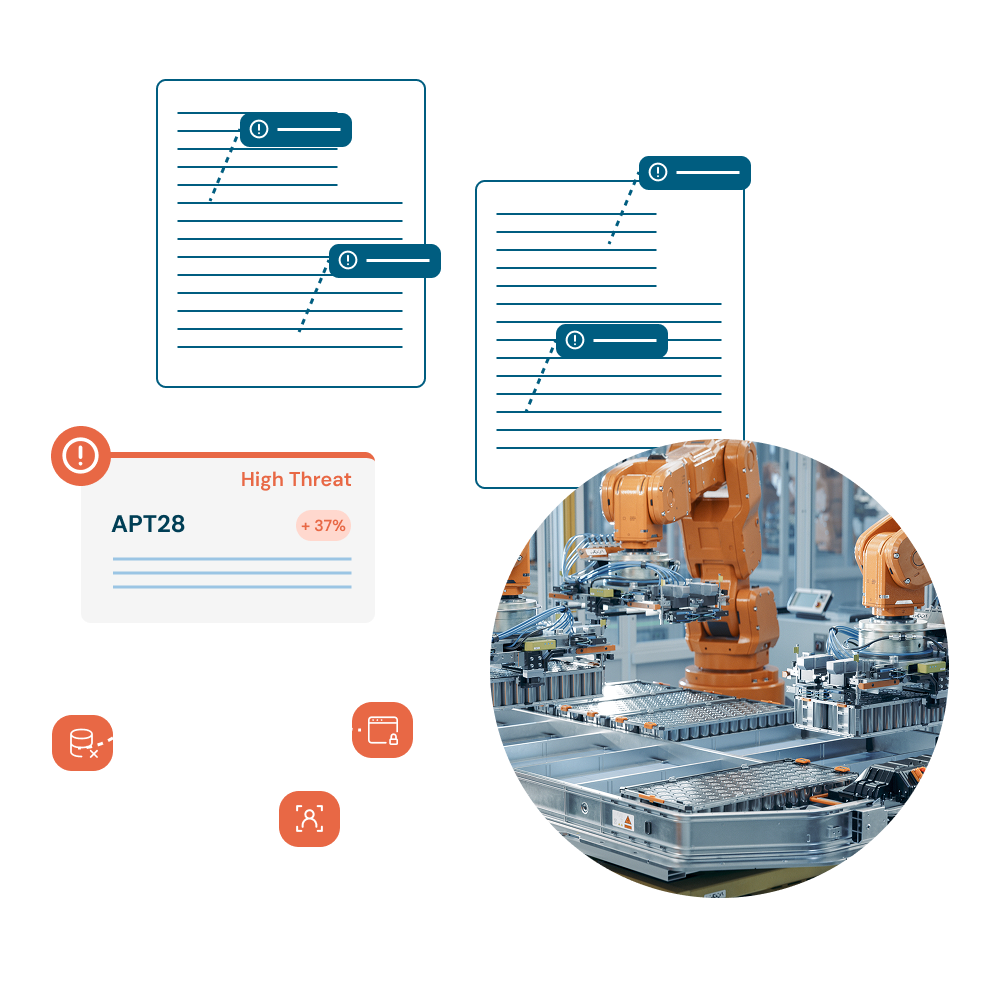
A North American automotive parts manufacturer could use Bastazo’s Adversary Intelligence to identify APT28 as a relevant threat based on its industry, geographic footprint, and OT environment. Bastazo maps APT28’s known tactics and techniques to vulnerabilities in plant-floor and engineering systems, allowing the security team to focus on the most likely paths of exploitation.
Remediation playbooks are updated to limit remote access into OT networks, tighten privileges on engineering workstations, and implement compensating controls on systems that cannot be patched without downtime—reducing exposure to this potential threat activity.
Key Outcomes for OT teams
Clear understanding of top adversaries
More targeted and defensible security decisions

Improved readiness for real-world attacks
FAQs
How is this different from traditional threat feeds?
Traditional feeds list threats. Bastazo identifies which adversaries are most relevant to your organization and how their tactics intersect with your environment.
Does this replace existing threat intelligence tools?
Not necessarily. Bastazo builds on existing intelligence sources and adds context, prioritization, and operational relevance.
Is this automated or analyst-driven?
Adversary intelligence is generated automatically using machine learning.
How does this connect to vulnerability prioritization?
Adversary intelligence informs vulnerability prioritization by providing more relevant data into the “exploit maturity” decision node, so that vulnerabilities that are known to be used by your top adversaries are given more attention.
Ready to Take Control of Your OT Cybersecurity?
With Bastazo, you no longer need to worry about vulnerabilities slipping through the cracks. Request a demo today to see how our platform can transform your cybersecurity approach and give your team the tools they need to keep critical infrastructure safe.

hello@bastazo.com